Exactly how to Make A Decision If Assisted Living Is the most effective Fit
@arthurifbk681
November 3, 2026 · 17 min read
Business Name: BeeHive Homes of White Rock
Address: 110 Longview Dr, Los Alamos, NM 87544
Phone: (505) 591-7021
BeeHive Homes of White Rock
Beehive Homes of White Rock assisted living care is ideal for those who value their independence but require help with some of the activities of daily living. Residents enjoy 24-hour support, private bedrooms with baths, medication monitoring, home-cooked meals, housekeeping and laundry services, social activities and outings, and daily physical and mental exercise opportunities. Beehive Homes memory care services accommodates the growing number of seniors affected by memory loss and dementia. Beehive Homes offers respite (short-term) care for your loved one should the need arise. Whether help is needed after a surgery or illness, for vacation coverage, or just a break from the routine, respite care provides you peace of mind for any length of stay.
110 Longview Dr, Los Alamos, NM 87544
Business Hours
Choosing where an assisted living white rock nm older adult ought to live is hardly ever a tidy, evident choice. It normally arrives after a slow-moving buildup of little points: a missed dish below, a neglected medication there, a loss that might have been worse, a home that utilized to really feel reassuring today appears harder to manage on a monthly basis. Family members frequently spend a long period of time trying to maintain the status quo, which reaction is easy to understand. Lots of people wish to stay at home as long as feasible. The concern is not whether home matters, yet whether home is still the most safe and most lasting setup for daily life.
Assisted living sits in that middle space in between overall freedom and full time competent nursing. For many individuals, it protects self-respect, personal privacy, and routine while decreasing the concern of cooking, house cleaning, transport, medicine suggestions, and isolation. For others, it is not the appropriate level of support at all. The genuine difficulty is discovering how to tell the difference without waiting for a crisis to decide for you.
What assisted living really is, and what it is not
Assisted living is typically defined also generally, which leads to confusion. Some households imagine a clinical atmosphere, while others envision a hotel with assistance available if required. The truth is somewhere in between those extremes. Assisted living neighborhoods are designed for individuals who can no longer manage every aspect of life safely on their own, but who do not require the continuous clinical guidance of a nursing home.
A typical neighborhood assists with activities such as bathing, clothing, grooming, meals, medicine suggestions, flexibility support, and transport to visits or tasks. The specific solutions vary widely, which variation issues. One neighborhood may be well suited to a person that needs a hand with showering and reminders to take morning medicine. Another may be better for a person that requires constant cueing, close supervision, or more advanced individual care.
It is equally important to comprehend what assisted living is not. It is not meant to change proficient nursing look after someone with intricate injuries, unstable medical conditions, or ongoing scientific requirements. It is likewise not a wonderful solution for dementia, household conflict, or chronic isolation. An excellent fit relies on the person's demands, preferences, and clinical truths, out a brochure or a floor plan.
When families look for assisted living near me or senior care near me, they are often really asking a deeper question, which is not just where can my parent live, yet what sort of support will really make life better?
The indications that home is beginning to work against someone
Families usually do not pick assisted living because of one remarkable occasion. More often, the proof shows up in layers. A parent who utilized to cook every evening now relies upon treats and frozen food due to the fact that cooking feels tiring. A spouse notifications drug containers accumulating or being taken at the wrong times. A kid comes by and realizes the fridge teems with ended food. A little girl obtains a telephone call after another fall, and the description does not rather make sense.
There are a couple of patterns I see very closely when aiding households think this with. The first is a decline in individual hygiene or appearance. People do not stop showering or clothing well just because they are being stubborn. In some cases the shower really feels risky. In some cases arthritis makes buttons and zippers unpleasant. Often depression or cognitive decline makes the entire regular feeling overwhelming.
The 2nd pattern is medication drift. Missing one pill might not seem severe, yet duplicated blunders can grow out of control. I have actually seen households utilize tablet coordinators, phone alarms, and color-coded graphes for months before understanding the actual problem was not forgetfulness alone. It was the combination of forgetfulness, vision adjustments, inadequate appetite, and fatigue. Assisted living can aid with medicine suggestions, but if the person can not reliably manage even with motivates, that is a significant signal.
The 3rd pattern is social withdrawal. Older grownups that are silently becoming isolated typically inform household they are "fine." They might be spending whole days alone, not since they enjoy privacy, yet due to the fact that driving feels demanding, staircases are tiring, and reaching out to others has ended up being harder than it utilized to be. Assisted living can be a solid choice right here due to the fact that it normally integrates in call with other people, dishes, activities, and staff.
The fourth pattern is home maintenance falling apart. A residence that when felt easy to handle can become a concern. Costs go unsettled, trash accumulates, the stove is rarely utilized, and a once-tidy room starts feeling risky or chaotic. When the setting starts to develop danger, the discussion changes from choice to practicality.
A sensible look at the primary trade-offs
Assisted living is frequently the appropriate selection for people that need assistance, but it is not immediately the best selection for every person. The compromises are entitled to sincere attention.
The best argument for assisted living is safety with structure. Meals are readily available. Help is nearby. Personnel can discover changes in condition earlier than member of the family in some cases can, especially if the older grown-up lives alone. That matters more than people recognize. A postponed shower, an avoided lunch, or a minor stumble can cause a larger decline if no one is there to intervene.
The other major benefit is relief from the unseen labor of every day life. Numerous older adults do not just require aid with jobs. They require relief from the consistent mental load of choosing what to eat, whether to shower now or later on, whether to call the drug store, and exactly how to reach the medical professional. An excellent assisted living establishing minimizes that tons without stripping away autonomy.
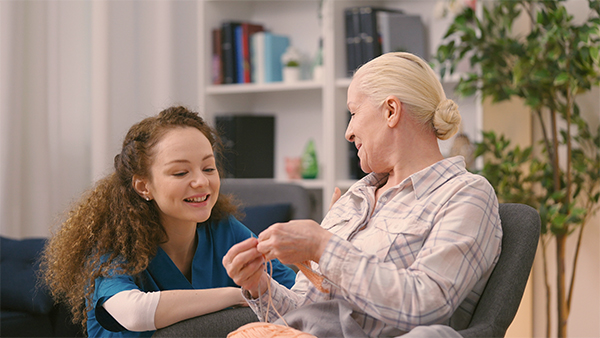
The downside is that assisted living is not the like going to home. There are schedules. There are guidelines. Privacy is different. Some citizens adjust swiftly, while others really feel boxed in at first. That change period is real, and households often underestimate it. An individual that has actually lived alone for decades may bristle at set meal times or shared rooms. That does not always mean the relocation was incorrect, however it does indicate expectations ought to be realistic.
Cost is one more inescapable trade-off. Assisted living is not inexpensive, and rates frameworks can be confusing. Base prices may look manageable until care degrees, medicine administration, flexibility support, or memory care services are included. A family contrasting senior living choices need to ask not only what the monthly charge is today, yet what might take place if requirements raise over the following year or two.
When assisted living makes sense, and when it may not
The ideal choice frequently comes down to exactly how requirements and independence converge. Assisted living tends to make sense when an individual is still able to join day-to-day live, but just with a fair amount of support. They might be cognitively intact or mildly forgetful, literally unstable, or just bewildered by the logistics of living alone. They can generally communicate preferences, enjoy community, and move via their day with some help.
It might be the very best fit when family caregivers are beginning to stress out. That factor comes faster than lots of people expect. Grown-up youngsters usually try to cover every little thing themselves, and for a while they can. After that the routine gets impossible. They are making meals, taking care of medications, providing transportation, taking care of laundry, and managing emergencies, all on top of work and family obligations. Respite care can occasionally bridge the void, yet if the demand is ongoing, assisted living may supply the steadier solution.
It might not be the most effective fit if the person requires intensive healthcare, has constant behavioral obstacles that call for specific guidance, or is no longer secure despite reminders and support. Advanced dementia, as an example, might ask for a memory care setup rather than standard assisted living. Recurring falls, oxygen reliance, complicated injury care, or rapidly altering health problems may point toward a greater level of care.
Families typically really hope the response will be evident when it seldom is. What assists is matching the setting to the actual level of support needed, not the level of support an individual wants they still had. Hope issues, however so does clear-eyed judgment.
Questions that punctured denial and guesswork
A good choice generally begins with truthful concerns, asked without defensiveness. These are the sort of questions that aid households relocate from obscure concern to sensible clarity.
- Can the individual take care of showering, dressing, toileting, and dishes safely most days?
- Are medicines being taken correctly without consistent oversight?
- Has there been a fall, near loss, or repeat emergency clinic visit in the previous 6 to twelve months?
- Is isolation, confusion, or seclusion entering into everyday life?
- Is the family members giving care that is starting to feel unsustainable?
These questions are not indicated to pity anybody. They are a truth check. If several of them point in the same direction, assisted living is entitled to significant factor to consider, also if no one desires the conversation.
The role of household characteristics, and why they make complex everything
A senior care decision is never ever just about the senior. It affects partners, adult kids, siblings, and sometimes even neighbors or friends that have actually silently become part of the care network. That is one factor these decisions are so mentally difficult. Individuals are not only evaluating health and wellness. They are considering sense of guilt, commitment, money, background, and overlooked family roles.

One little girl might think moving her mother is the loving selection. An additional sibling may hear the very same idea as abandonment. An older adult might concur in principle and withstand in method, specifically if the relocation seems like a loss of authority. These tensions are common, and they often magnify when families avoid direct discussions for as well long.
A practical approach is to secure the conversation in evident realities rather than abstract concerns. Rather than claiming, "Mom can't live alone any longer," it is normally extra reliable to say, "She left the oven on twice last month, missed out on 3 medication doses we understand of, and dropped leaving the tub." Concrete examples are harder to suggest with and easier to act on.
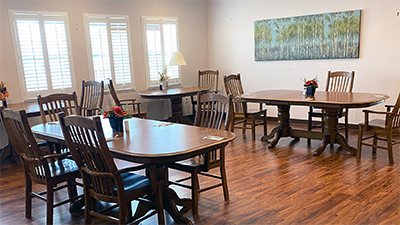
If the family is divided, it can assist to include the older adult in the discussion early and to tour areas with each other. Individuals are typically less resistant when they can see what assisted living actually appears like. A brilliant dining-room, a tidy apartment or condo, and personnel that understand the homeowners by name can transform the emotional tone of the conversation in a way that no phone call can.
Visiting communities with the appropriate eyes open
Many people start searching for assisted living near me and promptly understand that communities can look similar in the beginning look. The distinctions appear in the details. The high quality of the food, the perseverance of the personnel, the sanitation of common locations, the way homeowners are spoken to, and the basic energy of the building frequently tell you more than the advertising product does.
When touring, focus on whether residents appear involved or just parked before a television. Notice whether employee welcome individuals normally or seem hurried and distant. Ask exactly how the area takes care of changes in care demands, after-hours assistance, and emergency situations. If the individual considering the step has memory loss, ask how employee manage redirection and safety in a calm, considerate way.
It also assists to visit greater than once when possible. A lunch hour visit can really feel very different from a silent mid-morning tour. The best neighborhoods usually expose themselves in ordinary minutes, not simply during arranged presentations. You want to know just how they function on a Tuesday mid-day, not only how they look when a person is trying to thrill a potential resident.
A short tour can be enough to eliminate a place that really feels incorrect, however a great choice frequently takes some time. Family members sometimes require to sit with what they saw, compare notes, and review the question after the psychological rush of the tour fades.
When a temporary keep can respond to the larger question
Not every choice needs to be irreversible on the first day. Sometimes a short-term stay offers every person the perspective they need. Respite care can be beneficial when a caregiver needs a break, when a family intends to check whether the older grown-up adapts well to a community, or when recovery after surgical treatment or ailment has actually made independent living momentarily unrealistic.
Short-term remains can disclose points that are difficult to forecast from the exterior. Some people relax nearly right away because they appreciate not having to take care of dishes or house cleaning. Others come to be extra nervous initially, then clear up in after a week or 2 once the regular ends up being acquainted. A test duration can assist differentiate short-lived resistance from a true mismatch.
That said, a short remain is not constantly a tidy simulation of permanent life. Individuals usually behave in different ways when they know something is temporary. Still, respite care can be a beneficial bridge, particularly when families are trying to choose whether the framework of assisted living feels helpful or restrictive for that certain person.
Signs that the relocation need to take place faster rather than later
There is a kind of hold-up that comes from thoughtful planning, and after that there is a delay that comes from concern wearing a thoughtful face. The second kind can be dangerous. A family might maintain stating they need "another month" or "another season," also as the threats maintain mounting.
A move need to happen faster rather than later when the person has already had a significant loss, is repetitively missing drugs, is no longer consuming routine meals, is leaving the range or doors dangerous, or is becoming significantly isolated and puzzled. Fast weight loss, inadequate hygiene, roaming, and duplicated confusion concerning time or place are specifically crucial caution signs.
It is worth remembering that waiting on a significant crisis can make the shift a lot harder. A prepared move offers every person much more control. The person can select furniture, bring significant items, and get in the neighborhood with some self-respect undamaged. A hurried step after a hospital stay or a fall typically really feels much more disorienting and traumatic.
A steadier method to consider the decision
The ideal fit is seldom the least expensive option, the most acquainted option, or the one that preserves every old routine. It is the setup where the individual can continue to be secure, highly regarded, and as independent as feasible without stretching household caretakers beyond reason.
For some individuals, assisted living is the moment life ends up being easier once more. Dishes are predictable. Help is offered. The solitude raises. The housework quits taking in the day. For others, the move seems like a loss, at least initially, and the household has to move slowly, listen carefully, and maintain adjusting. Both experiences can be true.
What issues most is not whether assisted living seems like surrender or success in the abstract. What matters is whether it matches the individual's real requirements. If it does, the fit can be remarkably excellent. If it does not, the mismatch usually turns up swiftly in irritation, safety issues, or an expanding reliance on family members that never really resolves.
The best concern is not whether somebody is ready to "quit" the home they have actually understood. The better concern is whether their current home still provides the support, safety, and lifestyle they should have. When the response begins to tilt far from indeed, assisted living may be one of the most functional and gentle following step.
BeeHive Homes of White Rock provides assisted living care
BeeHive Homes of White Rock provides memory care services
BeeHive Homes of White Rock provides respite care services
BeeHive Homes of White Rock supports assistance with bathing and grooming
BeeHive Homes of White Rock offers private bedrooms with private bathrooms
BeeHive Homes of White Rock provides medication monitoring and documentation
BeeHive Homes of White Rock serves dietitian-approved meals
BeeHive Homes of White Rock provides housekeeping services
BeeHive Homes of White Rock provides laundry services
BeeHive Homes of White Rock offers community dining and social engagement activities
BeeHive Homes of White Rock features life enrichment activities
BeeHive Homes of White Rock supports personal care assistance during meals and daily routines
BeeHive Homes of White Rock promotes frequent physical and mental exercise opportunities
BeeHive Homes of White Rock provides a home-like residential environment
BeeHive Homes of White Rock creates customized care plans as residents’ needs change
BeeHive Homes of White Rock assesses individual resident care needs
BeeHive Homes of White Rock accepts private pay and long-term care insurance
BeeHive Homes of White Rock assists qualified veterans with Aid and Attendance benefits
BeeHive Homes of White Rock encourages meaningful resident-to-staff relationships
BeeHive Homes of White Rock delivers compassionate, attentive senior care focused on dignity and comfort
BeeHive Homes of White Rock has a phone number of (505) 591-7021
BeeHive Homes of White Rock has an address of 110 Longview Dr, Los Alamos, NM 87544
BeeHive Homes of White Rock has a website https://beehivehomes.com/locations/white-rock-2/
BeeHive Homes of White Rock has Google Maps listing https://maps.app.goo.gl/SrmLKizSj7FvYExHA
BeeHive Homes of White Rock has Facebook page https://www.facebook.com/BeeHiveWhiteRock
BeeHive Homes of White Rock has an YouTube page https://www.youtube.com/@WelcomeHomeBeeHiveHomes
BeeHive Homes of White Rock won Top Assisted Living Homes 2025
BeeHive Homes of White Rock earned Best Customer Service Award 2024
BeeHive Homes of White Rock placed 1st for Senior Living Communities 2025
People Also Ask about BeeHive Homes of White Rock
What is BeeHive Homes of White Rock Living monthly room rate?
The rate depends on the level of care that is needed (see Pricing Guide above). We do a pre-admission evaluation for each resident to determine the level of care needed. The monthly rate is based on this evaluation. There are no hidden costs or fees
Can residents stay in BeeHive Homes until the end of their life?
Usually yes. There are exceptions, such as when there are safety issues with the resident, or they need 24 hour skilled nursing services
Do we have a nurse on staff?
No, but each BeeHive Home has a consulting Nurse available 24 – 7. if nursing services are needed, a doctor can order home health to come into the home
What are BeeHive Homes’ visiting hours?
Visiting hours are adjusted to accommodate the families and the resident’s needs… just not too early or too late
Do we have couple’s rooms available?
Yes, each home has rooms designed to accommodate couples. Please ask about the availability of these rooms
Where is BeeHive Homes of White Rock located?
BeeHive Homes of White Rock is conveniently located at 110 Longview Dr, Los Alamos, NM 87544. You can easily find directions on Google Maps or call at (505) 591-7021 Monday through Sunday 9:00am to 5:00pm
How can I contact BeeHive Homes of White Rock?
You can contact BeeHive Homes of White Rock by phone at: (505) 591-7021, visit their website at https://beehivehomes.com/locations/white-rock-2/, or connect on social media via Facebook or YouTube
Located near Beehive Homes of White Rock Dreamcatcher a great movie theater with full food & drink menu. Catch a movie and enjoy some great food while you wait.